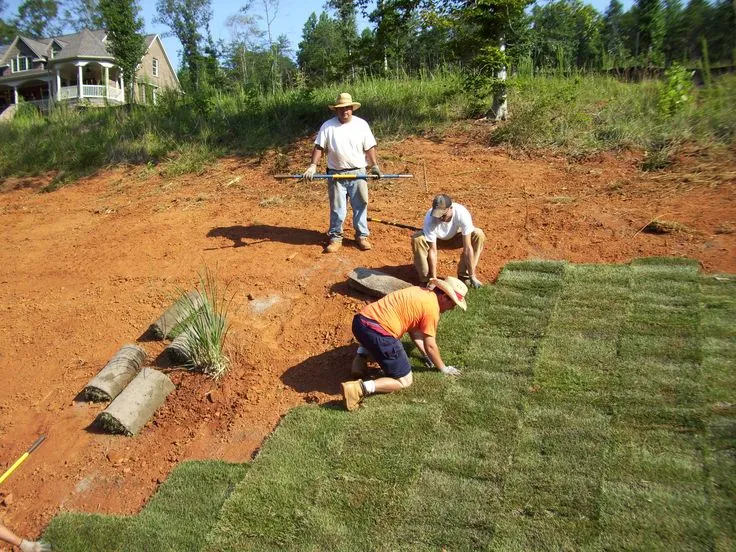
An attractive lawn can change the way a household uses its outdoor space, but successful results begin well before new turf arrives. Soil structure, drainage, sunlight and watering habits all influence whether grass becomes established. Homeowners searching for sod installation near me should look beyond the promise of instant greenery and ask what preparation their particular yard requires. A considered approach helps fresh sod develop healthy roots and reduces the likelihood of bare patches appearing after the first growing season.
Read the Yard Before Selecting Grass
Spend time observing where sunlight falls throughout the day. A section shaded by established trees will behave differently from a south-facing lawn exposed to summer heat. Also note where children play, dogs run and foot traffic regularly crosses the yard. These patterns influence turf selection.
Check for persistent puddles, hard compacted areas and spots where previous grass failed to grow. Those conditions may signal drainage, soil or shade problems rather than poor-quality turf. A site assessment helps identify obstacles that should be corrected before installation rather than concealed beneath new sod.
Match Turf Varieties to Georgia Conditions
Warm-season grasses such as Bermuda and zoysia are common choices in the Atlanta area, but they differ in shade tolerance, texture and maintenance demands. Bermuda generally performs best with substantial sun, while particular zoysia varieties may tolerate somewhat more shade. Neither will thrive in every location.
Consider irrigation access, mowing preferences and intended use alongside appearance. A front lawn that receives little traffic has different requirements from a play area used daily. Asking about the specific variety, its growth habits and expected maintenance helps homeowners make a more informed choice.
Give the Soil a Proper Foundation
New sod needs contact with prepared soil to establish roots. Installers may remove weeds and unwanted vegetation, clear construction debris and loosen compacted ground. Where appropriate, a soil test can guide amendments instead of encouraging unnecessary fertilizer applications. Existing drainage concerns should be investigated before the surface is leveled.
Grading should encourage water to move appropriately without directing runoff toward the house or neighboring land. An overly uneven surface can also make watering inconsistent and future mowing awkward. Addressing these issues before laying turf is generally easier than lifting newly installed sections to make corrections later.
Organize the Installation Day
Fresh sod is perishable, so delivery timing and site readiness matter. Rolls or slabs should be laid promptly, fitted closely and arranged to minimize open seams. Installers must also avoid unnecessary stretching and ensure the turf makes good contact with the underlying soil. Follow the variety-specific installation guidance.
Before work starts, discuss a few practical details with the installation team. A clear plan avoids rushed decisions once the sod arrives. Important considerations include:
-
Vehicle and delivery access to the lawn.
-
Removal of unwanted existing grass.
-
Irrigation coverage and initial watering.
-
Treatment of edges, slopes and corners.
-
Protection of newly laid areas from traffic.
Support Roots During the First Weeks
New sod usually needs frequent attention to moisture while its roots establish. The goal is to keep the root zone adequately moist without maintaining standing water. Weather, soil type and grass variety all influence watering frequency, so an installer’s site-specific schedule is more useful than a universal daily rule.
Avoid heavy traffic until the turf is anchored, and postpone the first mowing until the roots can resist gentle lifting. When mowing begins, use sharp blades and an appropriate height for the grass variety. Gradually adjusting irrigation as roots develop encourages healthier long-term growth.
Make the Lawn Part of a Larger Plan
A new lawn looks best when it connects naturally with paths, planting beds and outdoor living spaces. Homeowners comparing landscaping near me options can ask about edging, irrigation adjustments and how lawn elevations will meet existing paving. These small transitions make routine maintenance easier and reduce awkward strips of grass.
Protect mature trees during the project by avoiding unnecessary soil buildup around their trunks and roots. Leave suitable space around beds so mowing equipment can operate without damaging plants. Planning the surrounding features at the same time helps prevent repeated disturbance of newly established turf.
Conclusion
A successful sod project is a soil and site-planning project as much as a lawn installation. Suitable grass selection, careful grading and attentive early watering help create a surface that can withstand everyday family use. Homeowners should also account for shade, drainage and future maintenance before deciding on a schedule. For residential landscape improvements in Kennesaw, Acworth and nearby North Atlanta communities, russolandscapes.com offers information about professional turf installation and related yard services.