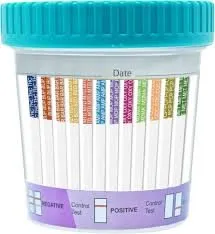
Selecting a workplace drug screening device involves more than choosing the largest number of panels on a box. Employers must think about safety-sensitive duties, collection procedures, privacy and the consequences of a preliminary result. A multi panel drug test nz purchase should therefore follow a documented testing policy rather than determine it. Understanding what the device screens for, how sample integrity is assessed and which standard applies helps organisations make informed choices without confusing drug detection with proof of impairment.
Start With the Workplace Risk
Different workplaces face different safety challenges. Forklift operators, drivers and employees using hazardous equipment may require risk controls that differ from those in an ordinary office. Employers should identify actual hazards before introducing testing, including how fatigue, medication and other factors are managed.
A testing policy should explain when screening may occur, who collects specimens, how employees are informed and who may access results. Consultation and appropriate employment advice matter because testing involves sensitive information and can have significant consequences for workers.
Understand What Each Panel Covers
Urine test cups screen for specified drug groups above defined cut-off concentrations. A six-panel device may screen for common categories such as cannabis, cocaine, amphetamines, methamphetamine, opiates and benzodiazepines, but exact specifications vary by product. More panels do not necessarily mean a better fit.
Review the device’s target substances, cut-offs and written instructions. A positive screening indication does not establish the precise time of consumption or present impairment. A negative result does not establish that every possible drug is absent, particularly substances outside the panel.
Know Which Standard Is Relevant
The AS/NZS 4308 standard addresses urine drug testing, including specimen collection and analytical procedures. Product listings may cite different editions, so buyers must check the exact version and verification documents instead of assuming that every device in a supplier category meets identical requirements.
Organisations searching for as nzs 4308 drug test kits nz should verify the specific product and whether collection, handling and laboratory confirmation arrangements match the requirements of their programme. The device itself is only one component of a compliant testing process.
Plan Collection Before Buying Kits
Unclear specimen collection procedures can create disputes even when a test cup is functioning correctly. Staff need training in specimen identification, timing, handling and recording results. Appropriate privacy arrangements should be established before the first test is administered.
A practical purchasing and collection checklist should cover:
-
Device verification and the applicable standard edition.
-
Collector training and written instructions.
-
Expiry dates and suitable storage conditions.
-
Specimen integrity checks and documentation.
-
Secure result records and restricted access.
-
A suitable laboratory confirmation pathway.
Agreeing these responsibilities in advance makes testing more consistent across shifts and locations. It also reduces pressure on supervisors when an unexpected incident occurs.
Treat Screening Results as Preliminary
A rapid test may produce an initial negative or non-negative result. Non-negative means that further analysis may be required; it is not equivalent to a laboratory-confirmed finding. Employers should avoid concluding conduct or impairment from a screening cup alone.
A clear procedure should specify how specimens are retained, transported and confirmed when necessary. Decisions about temporary removal from safety-sensitive tasks must be proportionate, consistent with policy and based on the circumstances rather than assumptions about a single result.
Check Whether Integrity Features Matter
Some urine devices include temperature strips or adulterant checks intended to identify possible problems with a specimen. These features can support collection procedures, but none guarantees that every form of interference will be detected. Their interpretation should follow device instructions.
For example, the InnoScreen Quick Cup product listed by Direct Drug Testing includes six drug panels, sample-integrity checks and a temperature strip. Buyers should assess whether those features fit their collection model, rather than choosing them simply because they appear more comprehensive.
Manage Stock and Confidential Records
Workplace screening can be delayed when kits have expired or been stored outside their specified conditions. Maintain a simple inventory recording product type, batch, expiry and storage location. Train nominated staff to check packaging and control indicators before use.
Test records deserve equivalent care. Limit access to authorised personnel, establish retention practices and explain how employees can seek clarification. A reliable process protects both the organisation and the people whose samples are being screened.
Conclusion
Workplace urine screening is most useful when equipment selection follows a clear safety policy, suitable standards and sound collection procedures. Employers should verify each device’s documented capabilities, maintain privacy and arrange confirmation before relying on preliminary results. New Zealand organisations comparing urine screening equipment can explore product information through directdrugtesting.co.nz while seeking appropriate employment, technical and laboratory guidance for their individual testing programmes.