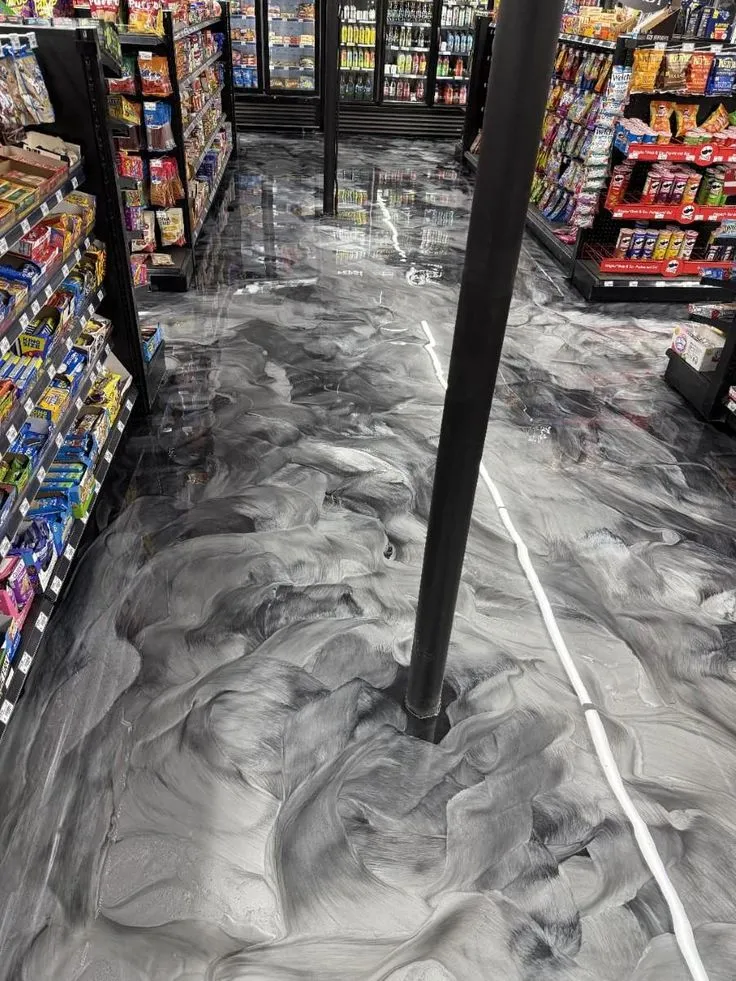
Retail stores rarely maintain the same interior layout throughout the year. Holiday displays, promotional events, new merchandise, and changing customer preferences often require furniture and fixtures to be rearranged. While these updates can keep a business appealing, they also place repeated demands on the floor. Choosing suitable Commercial Epoxy Flooring can help create a consistent surface for selected retail environments. However, the right specification depends on how products are displayed, how frequently equipment moves, and what maintenance the store can manage during normal trading hours.
Understand How Displays Affect Flooring
Large display units, shelving systems, and promotional stands can place concentrated loads on specific floor areas. Moving these fixtures repeatedly may also create abrasion, particularly when unsuitable wheels or metal edges contact the surface.
Retailers should document their usual display changes before choosing flooring materials. A store that rearranges furniture every week faces different requirements from one that maintains a relatively permanent layout throughout the year.
Consider Customer Movement and Accessibility
A retail floor must support comfortable movement between entrances, product displays, and checkout areas. Narrow aisles, uneven transitions, and poorly positioned furniture can make the shopping experience inconvenient.
Flooring should complement an accessible store layout rather than compensate for design problems. Property managers should consider applicable accessibility requirements, particularly where different surface materials meet or temporary promotional displays affect walking routes.
Choose Finishes Around Merchandise
A decorative floor can influence how customers perceive the products displayed above it. Neutral finishes may create a calm background, while metallic or patterned surfaces can contribute to a more distinctive brand identity.
However, highly reflective flooring may create glare beneath strong showroom lighting. Retailers should examine samples alongside their merchandise and existing fixtures before deciding whether a glossy or more restrained finish suits the space.
Understand Protective Coating Systems
Professional Epoxy Floor Coatings can provide a relatively continuous surface over appropriately prepared concrete. Different systems may include primers, pigmented layers, decorative aggregates, and protective topcoats.
The selected materials should reflect traffic, cleaning procedures, sunlight exposure, and equipment movement. Coating thickness and chemical resistance vary between products, so business owners should request technical specifications rather than assume every resin finish behaves identically.
Plan Display Changes With Care
The floor may remain in place for years while merchandise arrangements change monthly. Selecting suitable furniture supports and moving equipment can help reduce unnecessary damage.
Retailers should consider:
-
Using appropriate wheels on movable display units.
-
Protecting the bottoms of heavy furniture.
-
Avoiding dragging sharp metal fixtures.
-
Checking floor transitions after layout changes.
-
Keeping emergency routes clear during promotions.
These practices can protect the flooring while allowing businesses to maintain flexible display arrangements.
Coordinate Renovations With Trading Hours
Floor installation can temporarily affect customer access and merchandise storage. Concrete grinding, repairs, coating application, and curing may require particular sections of the store to remain closed.
A contractor should explain the installation sequence before work begins. Some businesses may be able to schedule disruptive tasks outside trading hours, but reopening must follow the selected product’s curing requirements rather than a fixed marketing promise.
Consider Existing Concrete Conditions
Older retail premises may contain several layers of flooring materials installed by previous tenants. Removing carpet, vinyl, or earlier coatings can reveal uneven concrete, adhesive residue, or damaged joints.
These conditions should be assessed before selecting the final finish. Mechanical preparation and suitable repairs may be necessary to establish an appropriate substrate. Significant moisture or structural concerns require separate investigation rather than cosmetic treatment.
Develop a Store-Specific Cleaning Plan
Retail floors encounter tracked-in dirt, beverage spills, and repeated movement throughout the day. A relatively continuous coating may simplify certain cleaning tasks, but the correct products depend on the installed system.
Staff should remove spills promptly and avoid incompatible chemicals or abrasive equipment. Entrance mats can reduce grit carried indoors. Written maintenance instructions help ensure consistent care when employees or external cleaners change.
Prepare for Future Store Improvements
Retail businesses often evolve as product lines and customer expectations change. A store may introduce larger displays, additional equipment, or new customer-service areas that alter flooring demands.
Keeping installation specifications and maintenance records can make future planning easier. If operating conditions change substantially, the suitability of the original coating should be reviewed rather than assuming it can handle every new activity.
Conclusion
Retail flooring should accommodate changing displays, customer movement, and regular maintenance without becoming an obstacle to business operations. Selecting a suitable finish requires attention to existing concrete, furniture movement, lighting, accessibility, and installation schedules. Retailers should compare coating systems according to actual requirements rather than appearance alone. For businesses exploring commercial and interior resin flooring across Fairfield and the San Francisco Bay Area, rhynopoxy.com provides information about available coating services. Thoughtful planning can help stores maintain an attractive environment while adapting to seasonal displays and changing merchandise.