Table of Contents
Bushfires could endanger houses not only directly in the fire path. In the midst of a bushfire, windy conditions can lift burning embers and carry them through the air, landing in nearby streets and properties. Embers can fly into and enter small gaps in roofs, build up in gutters, or ignite extremely dry material.
With bushfire season nearly upon us, roof checks are a safety must for anyone living in Melbourne’s outer east. Focus on the ridge caps, loosening tiles and gutters that have blocked. Mitigating these weaknesses would lead to a lower likelihood and impact of ember fire entry.
Why Small Roof Gaps Matter?
Embers are particularly dangerous because they can be blown ahead of a bushfire, landing on roofs, decks, and other unprotected surfaces. They could even spark among dry leaves or flammable material buried deep within the insulation.
Having small openings under the roof tiles, damaged mortar around sunbake caps, and slots up rooftops produce access points. Roof maintenance work may be needed even if from ground level, the roof appears intact − hidden defects may tell another story.
These types of problems can be found before fire weather hits with a professional inspection. Homeowners planning roof restoration in Ferntree Gully can ask service providers to check the ridge capping, condition of the tile, and ember entry points.
Inspect Ridge Caps and Loose Tiles
Ridge caps are installed on the peak of any tiled roof. Gaps can allow ember to penetrate the roof space created by cracked mortar or loose caps.
Over time, tiles can be displaced due to the influence of wind and varying weather conditions. Embers may reach timber or other combustible materials through gaps formed by damaged or displaced tiles.
Check from the ground for big cracks in walls, sagging roof lines, and loose tile pieces. If possible, please do not try to get on the roof to check it out.
A certified roofing professional would examine the damages and suggest what to do about them. This may involve fixing ridge capping, replacing defective tiles, or sealing gaps with approved products, depending on the roof type.
Clean the Gutters and Remove Multiple Parts That are Dry
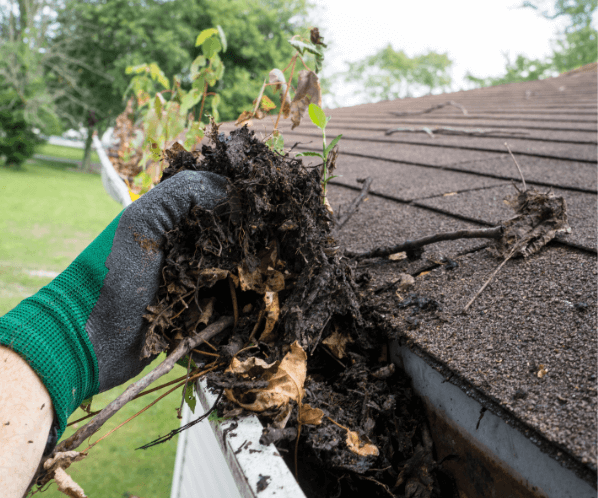
Gutters are often filled with leaves, bark, twigs, as well as other dry material. This debris can ignite during an ember assault and additionally leave roof edges uncovered to heat.
Clear gutters and roof valleys before bushfire season. Check downpipes for blockages and trim dry branches hanging close to the roof. If you can’t reach these areas safely, book a professional roof cleaning in Melbourne service before fire risk rises.
These are some of the tasks which you need to put on your maintenance list:
-
Clear gutters and valleys of dry leaves
-
Inspect for loose sections of the gutters and damaged brackets.
-
Trim branches that are touching or overhanging the roof.
-
Check for gaps and damaged seals at roof edges.
-
Store dry vegetation off of the home.
If you work at height on steep or fragile roofs than use a trained professional.
Pick the Repairs That Appeal to Your Top
You do not want to fill in every gap with regular silicone or expanding foam. Weather exposure, roof temperatures, or ventilation sometimes do not suit these materials.
Roofing experts can provide suggestions for materials that will effectively shut down ember entry points without introducing moisture issues. Proper roof care plans should ensure drainage & ventilation along with fire protection.
Ask for a clear inspection report and in-writing quotes with explanation of required work if you need roof repairs.
Prepare Before Fire Weather Arrives
Be it roof restoration or roof repairs, deal with the broken ridge caps, loose tiles, and gutter debris before bushfire season starts.
No roof repair can make a house completely bushfire-proof. But you can make your home more fire-resistant by reducing ember entry points and removing combustible debris. Regular roof gutter cleaning in Melbourne clears dry leaves and twigs that embers can easily ignite. Treat roof maintenance as part of your wider bushfire plan, and follow local emergency advice when fire risk increases.